Kelpak news
Building crop resilience with Kelpak
How Kelpak helps farmers prime crops for an unpredictable climate
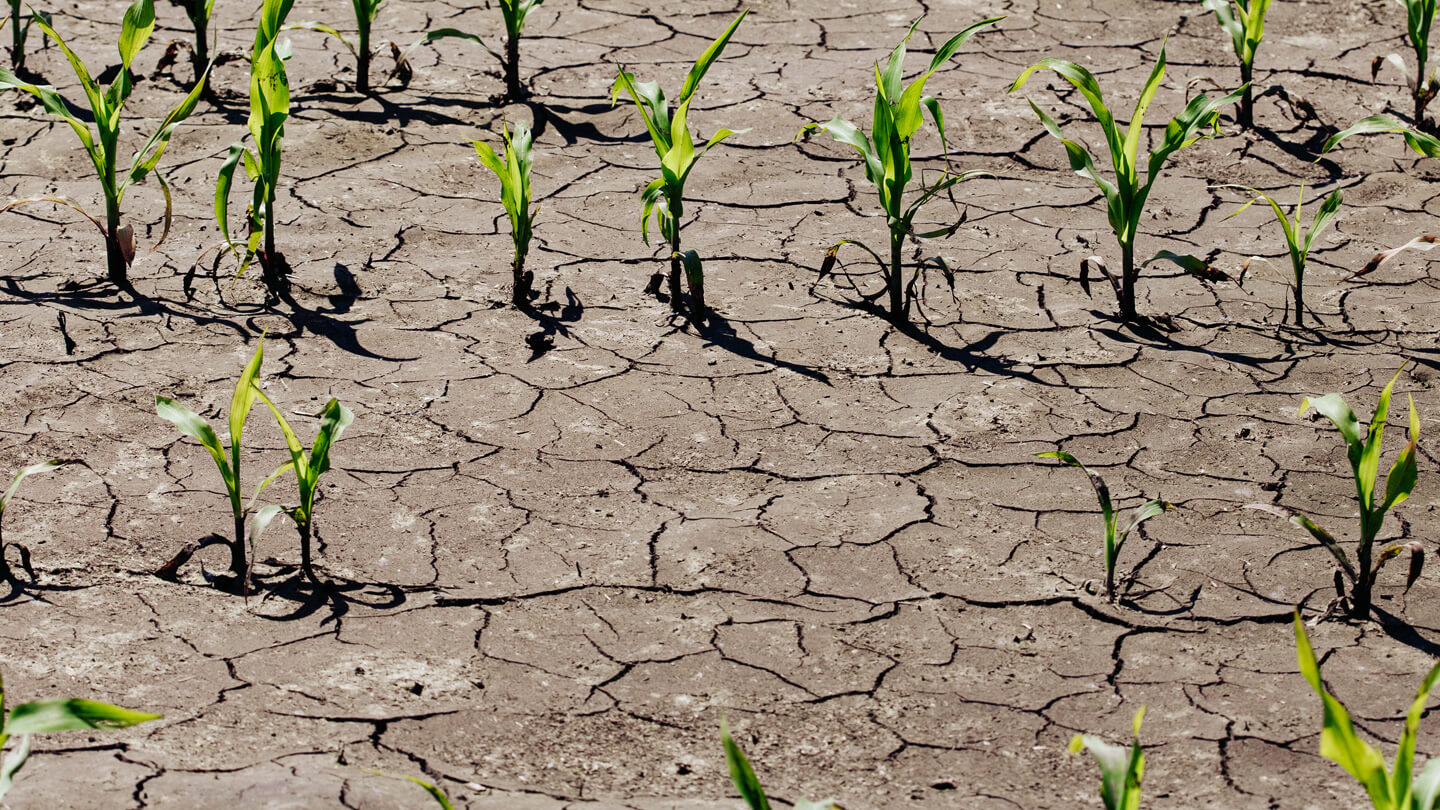
Drought, heatwaves, salinity and erratic rainfall are increasingly shaping crop performance, with climate extremes accounting for a significant portion of yield variability in major crops. Managing abiotic stress has become central to sustaining productivity, particularly in high-value cropping systems across LATAM.
What is abiotic stress?
Abiotic stress refers to non-living, environmental pressures that limit plant growth and yield, including water scarcity, temperature extremes, salinity and nutrient limitations. These conditions disrupt plant metabolism, reduce photosynthesis and ultimately compromise yield potential.
Plants cannot escape these pressures and instead rely on complex internal processes to retain water, stabilise cells and limit oxidative damage.
From stress response to stress readiness
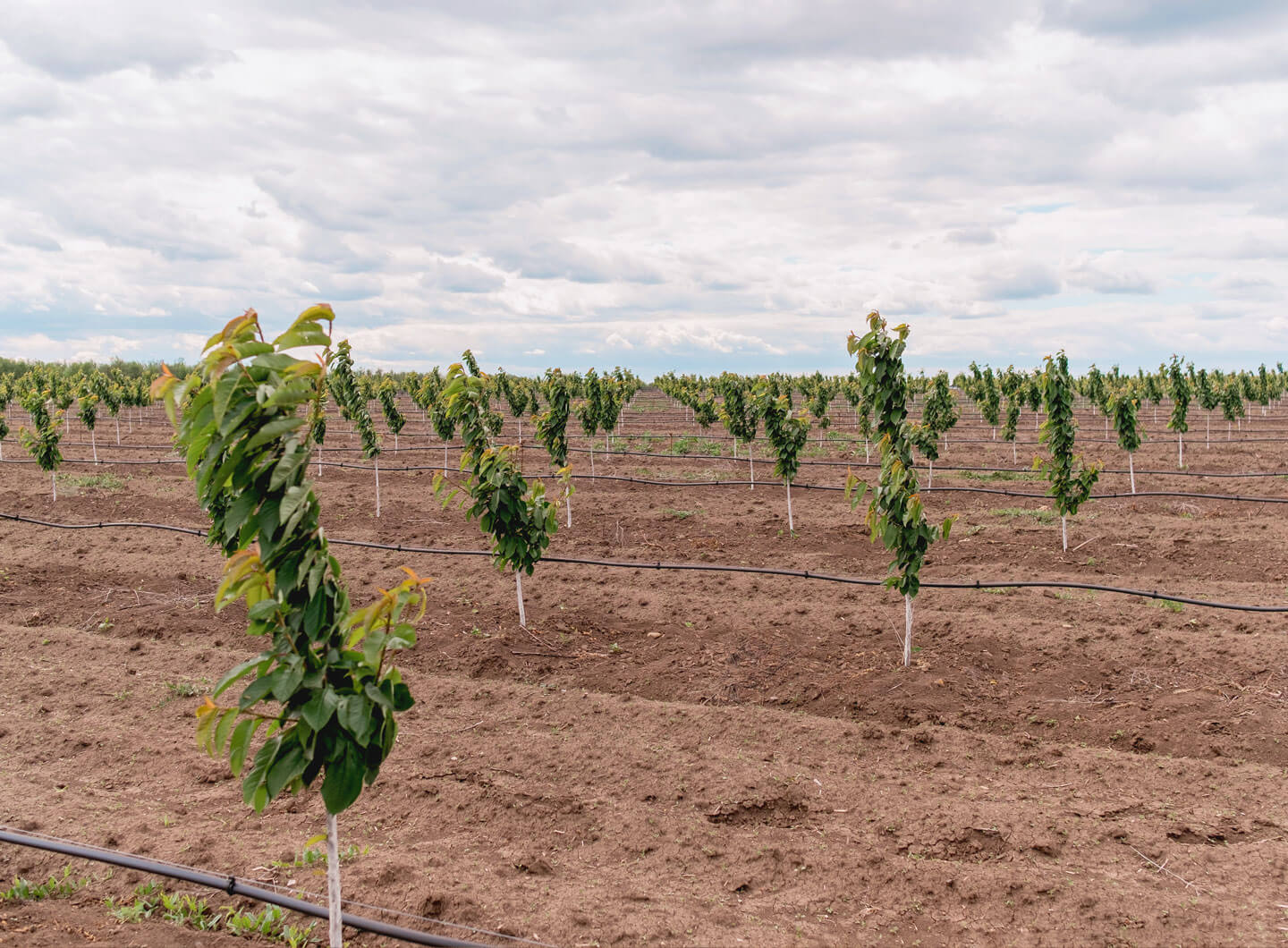
Modern crop solutions are shifting from helping plants respond to stress, to preparing them in advance. This concept, known as priming, supports the plant’s natural ability to better withstand environmental pressure while maintaining productivity.
Kelpak® is derived from Ecklonia maxima, a kelp species adapted to the highly dynamic conditions of South Africa’s west coast. Through a cold Cellburst™ extraction process, naturally occurring compounds are preserved during the extraction process and introduced to the plant, where they stimulate root development and activate key physiological pathways associated with stress tolerance.
Building resilience through plant physiology
Kelpak’s impact under stress conditions is well documented. Under drought, applications have been shown to increase root and shoot biomass, supporting improved water uptake and plant stability. In saline environments, Kelpak helps reduce oxidative stress while supporting chlorophyll content and nutrient balance.
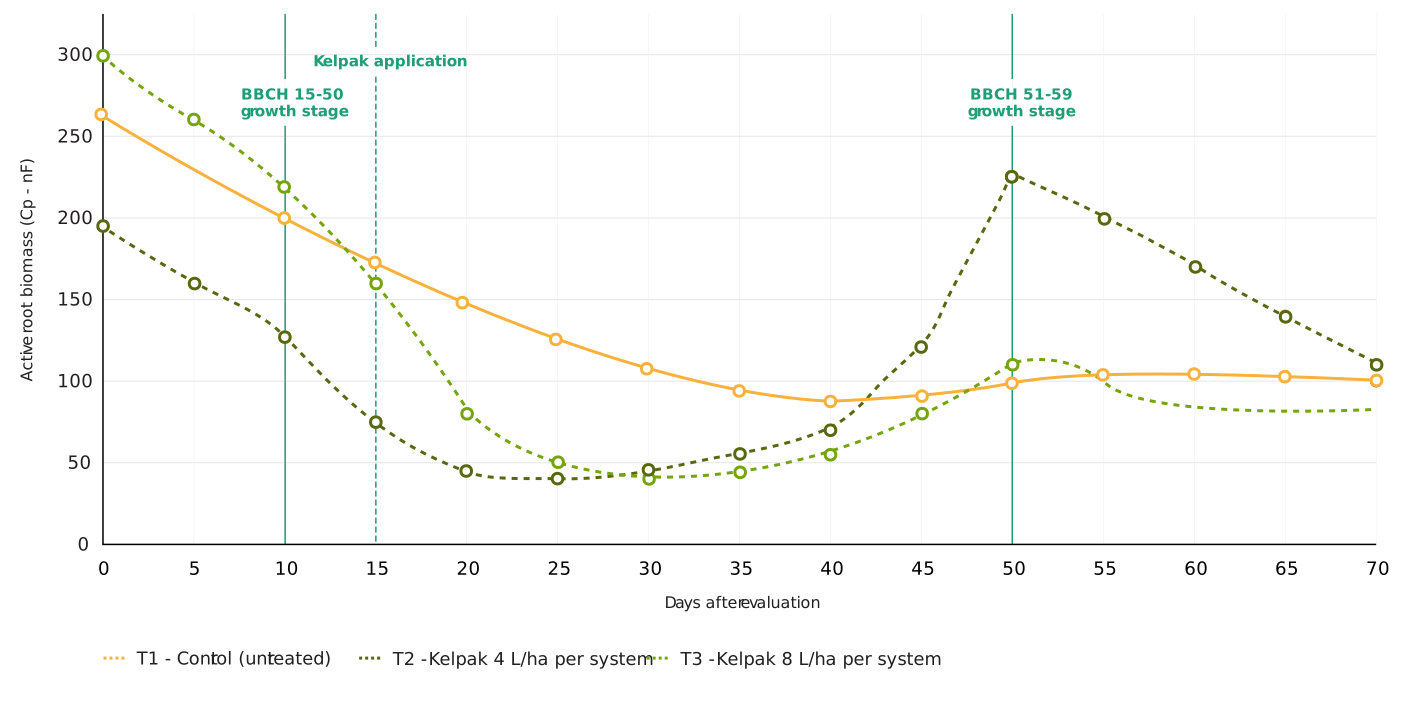
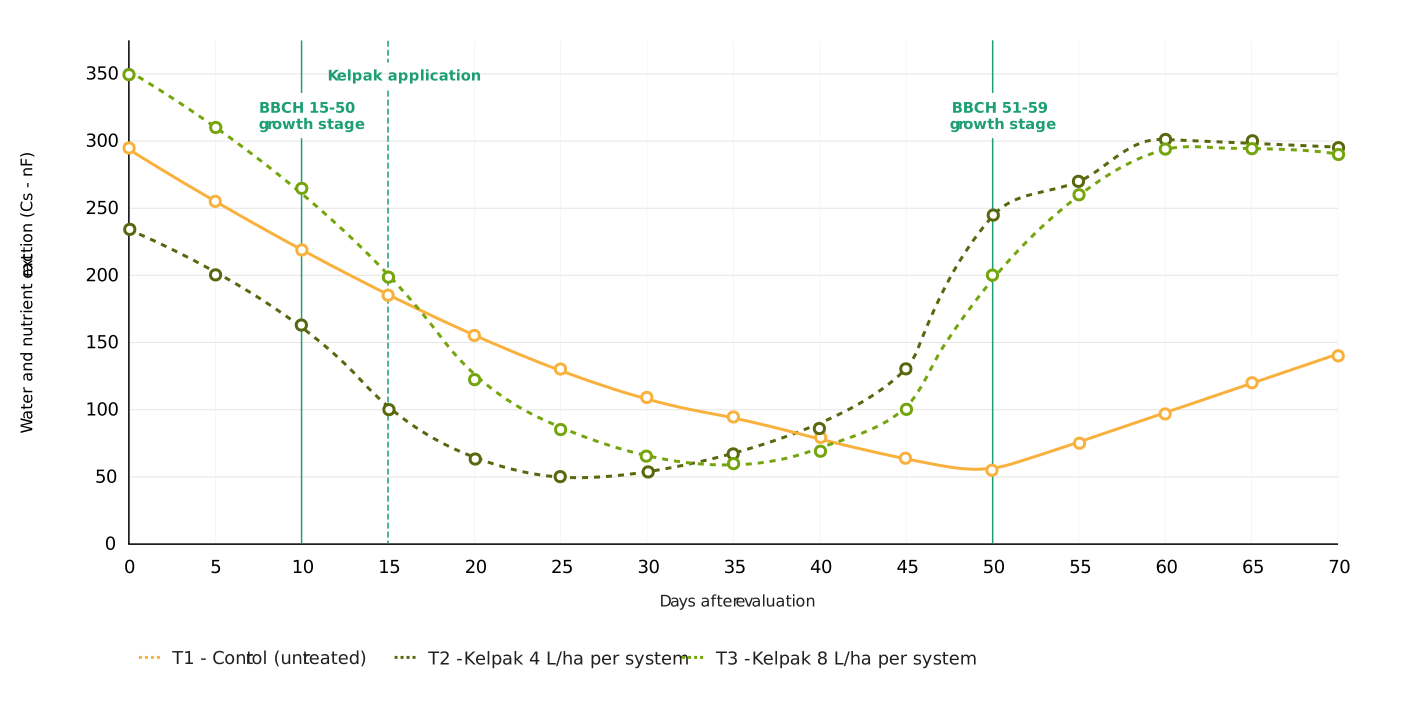
A recent greenhouse rose trial conducted in Colombia provides a clear example of how these physiological benefits translate into measurable performance under stress conditions. Kelpak-treated plants developed up to 4.5 times greater root biomass, alongside up to 5.4 times higher water and nutrient extraction capacity compared to untreated plants. This enhanced root system supports improved resilience by enabling more efficient resource uptake.
In addition, treated plants demonstrated improved photosynthetic efficiency, including more effective electron transport and reduced energy loss through heat dissipation. Plants maintained more stable leaf temperatures and showed reduced oxidative stress, contributing to more consistent physiological performance under variable conditions.
Active root biomass with Kelpak applied
Water and nutrient extraction volume via roots with Kelpak applied
These improvements translated into tangible production gains, with Kelpak-treated plants producing up to 601 stems compared to 532 in untreated controls, equating to as many as 15,000 additional stems per hectare. Beyond yield, improved physiological efficiency supports both crop quality and consistency.
From a commercial perspective, these gains resulted in significant economic returns, with trial data indicating up to $22,000 USD per hectare per year in additional net benefit, and a return on investment of between 30 and 38 times.
A practical approach for farmers
Importantly, these results demonstrate that improving stress tolerance is not only a physiological advantage, but a practical strategy for stabilising production in high-value crops. By strengthening the plant’s foundational systems, particularly root development and energy efficiency, growers are better equipped to manage increasingly variable conditions.
As climate pressures continue to intensify, the shift from reactive to proactive crop management is becoming essential. Supporting the plant’s natural resilience offers a practical and scalable approach to maintaining yield, quality and profitability under stress.

Kelpak support
For more information on how Kelpak can improve crop health, resilience and marketable yields or for nearest distributor information, please contact one of the phone numbers or email addresses below:
KELP PRODUCTS INTERNATIONAL
Head Office - South Africa
Tel: +27 21 786 2090
Fax: +27 21 786 3274
Email: info@kelpak.com
TECHNICAL SUPPORT
Contact: Linda Greyling
Email: linda.greyling@kelpak.com
or
Paul Hills
Email: paul.hills@kelpak.com
To process your enquiry efficiently please complete all fields: